Common Childhood Neurological Disorders Every Parent Should Know
Common childhood neurological disorders can affect a child's brain, nerves, development, and learning abilities. Learn about common conditions, early warning signs, symptoms, and the importance of timely diagnosis and treatment.
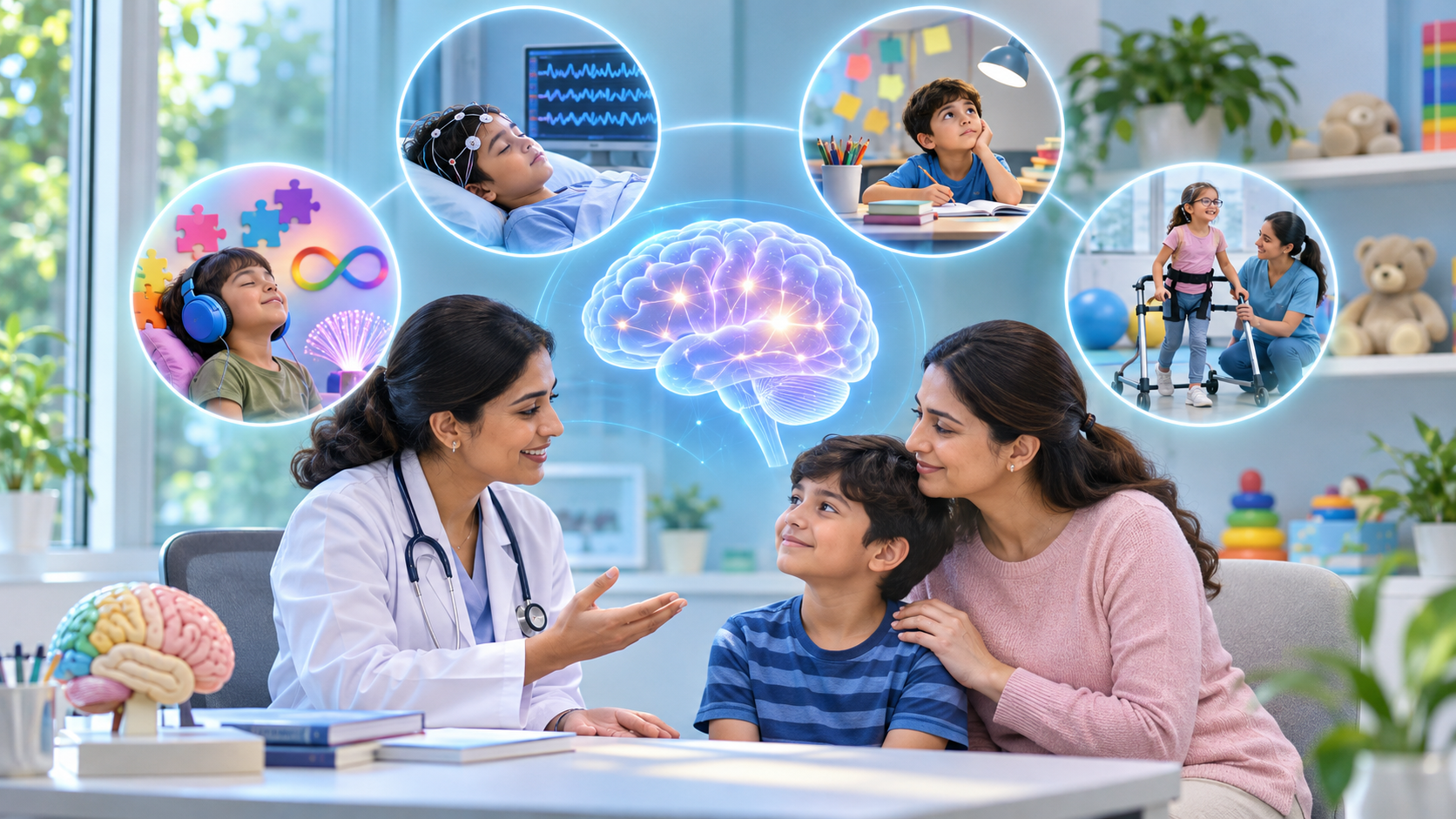
A child who has a seizure, struggles to meet a milestone or often complains of headaches can leave any parent worried. These signs do not always point to a serious neurological condition, but they deserve attention when they recur, worsen or affect everyday life.
The nervous system includes the brain, spinal cord, nerves and muscles. When a child has a concern involving these areas, a paediatrician may recommend an assessment by a Pediatric Neurologist in Vijayawada or another child neurology specialist. The goal is to understand what is happening and decide whether any tests, treatment or follow-up are needed.
1. Seizures and epilepsy
A seizure is a sudden change in the brain’s electrical activity. It may involve stiffening or jerking movements, a brief loss of awareness, staring spells or unusual sensations. Some seizures last only a few seconds, so a child may appear to pause or not respond briefly.
One seizure does not automatically mean a child has epilepsy. A doctor will consider what happened, the child’s medical history and, when appropriate, investigations before making a diagnosis. If you witness an episode, note how long it lasts and what the child was doing beforehand. A short video may help the doctor, provided you can record safely.
During a seizure, move nearby objects away and protect your child’s head. If possible, gently turn them onto their side. Do not restrain their movements or put anything in their mouth. Seek emergency care for a first seizure, breathing difficulty, repeated seizures without recovery, or a seizure lasting more than five minutes.
2. Febrile seizures
Some young children have a seizure when they develop a fever. These are called febrile seizures. They can be frightening to witness, but a seizure with fever does not, by itself, mean a child has epilepsy. The child should still be assessed by a doctor, especially after a first episode. If a seizure continues for more than five minutes, get emergency help.
3. Developmental delays
Children develop at different rates, but progress in areas such as movement, speech, play and social interaction is worth following over time. Developmental Delays in Children may appear as difficulty with age-related skills, such as sitting, walking, using words or responding to others. Losing a skill a child had already learned is also a reason to seek medical advice.
Milestone checklists can help parents notice questions to discuss, but they are not diagnostic tools. If you have a concern, share specific examples with your child’s doctor: what you have noticed, when it began and whether it is changing. Early assessment can help identify support that may be useful.
4. Cerebral palsy
Cerebral palsy describes a group of conditions that affect movement and posture. Signs can include unusual muscle stiffness or floppiness, difficulty with balance or coordination, or delays in motor skills. Some children may also have challenges with speech, feeding, vision or seizures.
The signs and support needs differ from child to child. A clinician can assess movement and development, explain what further evaluation may be needed, and discuss a care plan with the family. Therapies and follow-up are tailored to the child’s needs.
5. Recurrent headaches and migraine
Children can have headaches for many reasons, and not every headache is a neurological disorder. Repeated headaches, headaches that interfere with school or play, or headaches accompanied by nausea or sensitivity to light are worth discussing with a doctor.
Keep a simple record of when the headache happens, how long it lasts, what symptoms come with it and whether anything seems to trigger it. Seek urgent medical help if a headache is sudden and severe, follows a head injury, or comes with symptoms such as weakness, confusion or difficulty walking.
6. Muscle weakness, coordination or unusual movements
Some neurological conditions affect the nerves or muscles rather than the brain alone. Parents may notice persistent weakness, frequent falls, difficulty with everyday movements, or repeated involuntary movements such as tics. These signs can have different causes, so an examination is more useful than trying to identify a condition at home.
If a teacher or caregiver has noticed a change too, ask them for examples. This can help the doctor understand whether the concern happens in particular situations or across the child’s daily activities.
When should parents seek advice?
Arrange a medical review if you notice a skill regression, repeated episodes of staring or unresponsiveness, ongoing headaches, persistent weakness, or movement and coordination difficulties that concern you. Seek urgent care for a first seizure, a prolonged seizure, trouble breathing, sudden weakness, or a severe headache with confusion or difficulty walking.
A Child Neurologist in Vijayawada or Pediatric Neurology Specialist in Vijayawada can assess a child when a paediatrician recommends specialist care. Parents searching for a pediatric neurology hospital can ask whether the facility can coordinate assessment and follow-up suited to their child. At Anu My Baby Hospital, Vijayawada, parents can discuss developmental or neurological concerns with the child’s doctor and ask whether specialist evaluation is appropriate.
What to bring to an appointment
Write down what you have observed and when it began. Bring previous reports, a list of medicines and relevant birth or medical history. If an episode has occurred, note its duration and recovery; share a recording only if you were able to make one safely. These details help the doctor understand the concern and decide what to do next.
A Child neurologist in Vijayawada can guide families through assessment and explain the next steps in clear terms. The right evaluation starts with listening carefully to what parents and caregivers have noticed.