
Hormonal Imbalance in Women Hidden Signs You Shouldn't Ignore
Hormonal imbalance in women can cause subtle changes in periods, mood, skin, weight, sleep, and overall health. Learn the hidden signs, common causes, and when to seek medical advice.
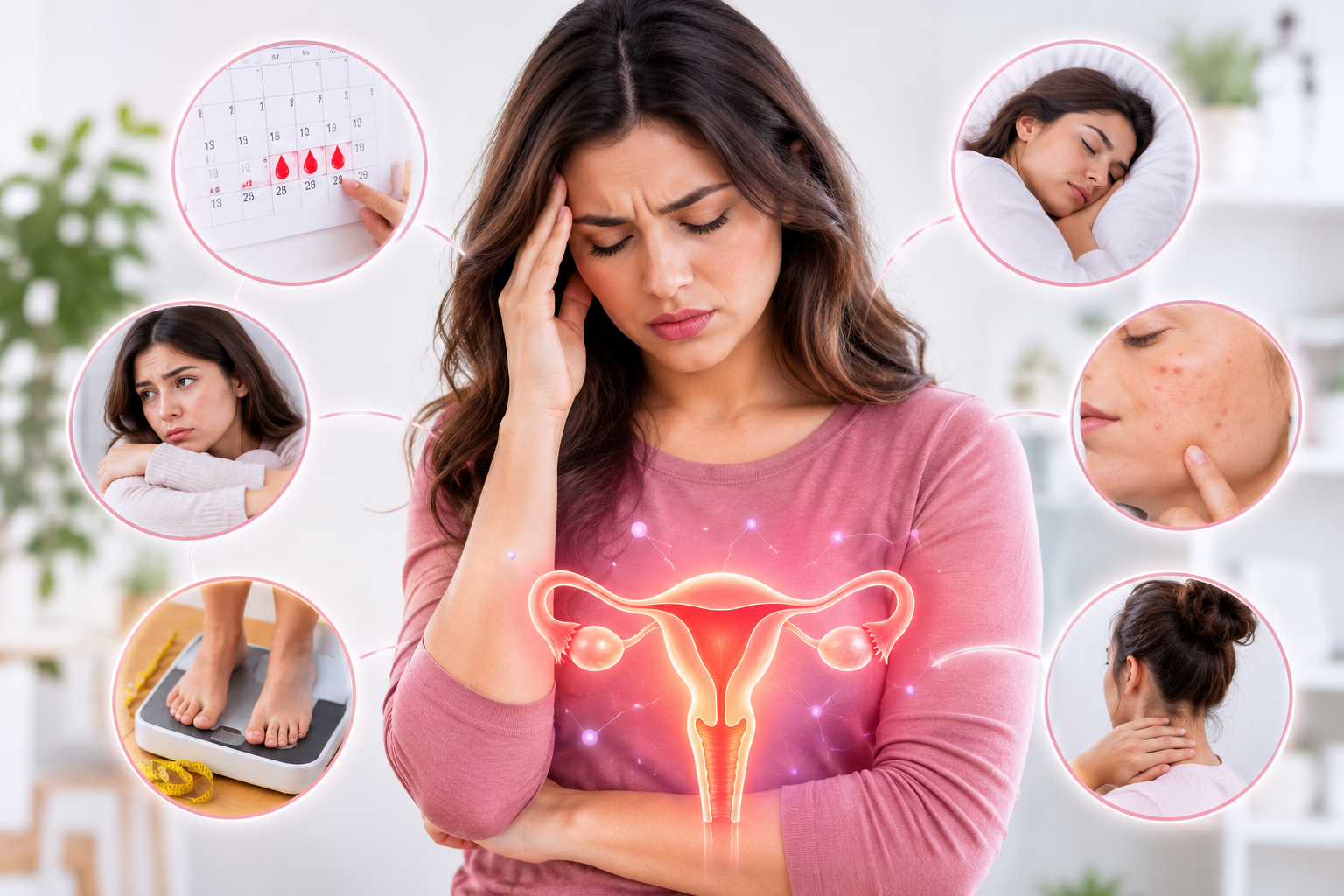
Hormones play an important role in maintaining a woman's overall health. From regulating menstrual cycles and supporting fertility to controlling metabolism, sleep, and emotional well-being, these chemical messengers influence several functions in the body. However, when hormone levels become disrupted, the effects may not always be immediately noticeable.
Many women experience unexplained tiredness, sudden weight changes, irregular periods, or frequent mood swings without realizing that these symptoms could be related to hormonal changes. While occasional fluctuations are normal, persistent symptoms may indicate an underlying health condition that requires medical attention.
Understanding the early warning signs can help women seek appropriate care before symptoms significantly affect their quality of life. Consulting an experienced gynecologist in Vijayawada can help identify possible causes and determine whether medical evaluation or treatment is necessary.
What Is Hormonal Imbalance in Women?
Hormonal imbalance occurs when certain hormones are produced in amounts that are too high or too low for the body's needs. Hormones are released by glands and organs, including the thyroid gland, pituitary gland, adrenal glands, and ovaries.
Some important hormones affecting women's health include:
- Estrogen: Supports menstrual cycles, reproductive health, and bone strength.
- Progesterone: Helps regulate the menstrual cycle and prepares the uterus for pregnancy.
- Thyroid hormones: Control metabolism, energy production, and body temperature.
- Insulin: Helps regulate blood sugar levels.
- Prolactin: Supports breast milk production and can affect menstrual cycles when elevated.
Hormone levels naturally change during puberty, pregnancy, breastfeeding, perimenopause, and menopause. However, hormonal disorders can also occur because of thyroid conditions, polycystic ovary syndrome (PCOS), certain medications, and other medical concerns.
Importantly, symptoms alone cannot confirm a hormonal imbalance. A medical assessment is necessary to understand the actual cause.
10 Hidden Signs of Hormonal Imbalance in Women
- Irregular or Missed Menstrual Periods
One of the most noticeable signs of a possible hormonal problem is a change in menstrual patterns.
You may experience periods that arrive unexpectedly, unusually long gaps between cycles, heavier bleeding, or missed periods.
Irregular menstruation can be associated with PCOS, thyroid disorders, changes in ovulation, stress, pregnancy, or certain medications.
If your periods were previously regular but have become unpredictable, visiting a gynecologist can help determine whether further investigation is needed.
- Unexplained Weight Gain or Difficulty Losing Weight
Have you noticed unexpected weight changes despite maintaining similar eating and exercise habits?
Hormones involved in metabolism, particularly thyroid hormones and insulin, can influence body weight.
For example, an underactive thyroid may contribute to weight gain, while insulin resistance is commonly associated with PCOS.
However, weight changes can have several causes, including medication use, dietary changes, and other health conditions. They should not automatically be attributed to hormones.
- Persistent Fatigue and Low Energy
Feeling tired after a busy day is common. However, ongoing exhaustion that does not improve with adequate rest deserves attention.
Low thyroid hormone levels can contribute to fatigue. Heavy menstrual bleeding may also cause iron-deficiency anemia, resulting in weakness and reduced energy.
If tiredness interferes with your daily activities, medical evaluation can help identify possible hormonal and non-hormonal causes.
- Frequent Mood Swings, Anxiety, or Irritability
Hormonal fluctuations can influence mood and emotional well-being.
Some women experience increased irritability, anxiety, sadness, or emotional sensitivity around menstruation or during perimenopause.
Conditions such as premenstrual syndrome (PMS) and premenstrual dysphoric disorder (PMDD) may involve significant mood-related symptoms.
Nevertheless, ongoing anxiety or depression should never be dismissed as merely hormonal. A healthcare professional can evaluate symptoms and recommend appropriate support.
- Hair Loss or Excessive Facial Hair Growth
Changes in hair growth patterns may sometimes indicate an underlying hormonal condition.
Women with elevated androgen levels, particularly those with PCOS, may experience excessive facial or body hair growth. Some may also notice thinning hair on the scalp.
Thyroid disorders and nutritional deficiencies can contribute to hair loss as well.
If hair thinning or unwanted hair growth develops unexpectedly, professional assessment may help identify the cause.
- Persistent Acne and Oily Skin
Acne is not limited to teenage years. Some women develop persistent acne during adulthood, particularly around the chin and jawline.
Androgens can stimulate oil production in the skin, contributing to acne.
Adult acne may be associated with PCOS, but acne alone does not establish a hormonal diagnosis.
Women experiencing persistent acne alongside irregular periods or unwanted facial hair should consider discussing these symptoms with a healthcare professional.
- Difficulty Getting Pregnant
Hormonal conditions can sometimes interfere with ovulation, the process through which an ovary releases an egg.
When ovulation occurs irregularly or does not occur, conception may become more difficult.
Conditions such as PCOS, thyroid disorders, and elevated prolactin levels can affect reproductive function.
Women planning pregnancy who experience irregular menstrual cycles may benefit from consulting a gynecologist in Vijayawada for individualized fertility guidance.
However, hormonal problems are only one possible reason for difficulty conceiving, and fertility evaluation may involve both partners.
- Sleep Disturbances and Night Sweats
Difficulty falling asleep, interrupted sleep, and night sweats can occur during certain hormonal transitions.
During perimenopause, changing estrogen levels may contribute to hot flashes and night sweats, disrupting sleep.
Thyroid disorders can also affect sleep patterns.
Because sleep problems have many possible causes, persistent disturbances should be assessed rather than automatically attributed to hormonal imbalance.
- Reduced Sexual Desire and Vaginal Dryness
Hormonal changes may affect sexual well-being.
Lower estrogen levels, particularly during perimenopause and menopause, can contribute to vaginal dryness and discomfort during intercourse.
Changes in sexual desire may also be influenced by stress, medications, relationship factors, and physical or emotional health.
Women experiencing persistent discomfort should seek medical advice rather than rely on over-the-counter hormonal treatments without guidance.
- Frequent Headaches or Migraines
Some women experience headaches or migraines that appear around menstruation.
Changes in estrogen levels may contribute to menstrual migraines in susceptible individuals.
However, headaches can also result from dehydration, sleep deprivation, vision problems, and other conditions.
New, worsening, or frequent headaches require appropriate evaluation. A sudden, extremely severe headache, especially with neurological symptoms, requires emergency care.
What Causes Hormonal Imbalance in Women?
Several conditions and life stages can affect hormonal regulation.
Polycystic Ovary Syndrome (PCOS)
PCOS is a common hormonal and metabolic condition that may involve irregular periods, elevated androgen levels, acne, unwanted hair growth, and difficulties with ovulation.
Thyroid Disorders
Both hypothyroidism and hyperthyroidism can affect menstrual cycles, metabolism, energy levels, and reproductive health.
Pregnancy and Postpartum Changes
Hormone levels change significantly during pregnancy and after childbirth. Some changes are temporary, while others may require evaluation.
Perimenopause and Menopause
As women approach menopause, hormone levels fluctuate and eventually decline, potentially causing menstrual changes, hot flashes, and sleep disturbances.
Lifestyle and Medical Factors
Significant changes in body weight, excessive exercise, inadequate nutrition, chronic stress, and certain medications can influence menstrual and hormonal function.
Identifying the underlying cause is essential because different conditions require different approaches to treatment.
How Is Hormonal Imbalance Diagnosed?
When visiting a gynecologist, your doctor may begin by reviewing your symptoms, menstrual history, medications, lifestyle, and medical background.
Depending on the findings, the evaluation may include:
- Thyroid function tests.
- Selected hormone tests, such as prolactin or androgen levels.
- Blood glucose or HbA1c testing when indicated.
- A pelvic ultrasound for suspected reproductive conditions.
- A pregnancy test when relevant.
- A complete blood count when heavy bleeding or anemia is suspected.
Not every woman requires all these investigations. Hormone levels can change throughout the menstrual cycle, so the timing and selection of tests are important.
At Anu My Baby, Vijayawada, women seeking guidance for menstrual irregularities or reproductive health concerns can discuss their symptoms and the need for appropriate gynecological evaluation.
How Can Hormonal Imbalance Be Managed?
Treatment depends on the specific condition, symptoms, age, medical history, and reproductive goals.
- Maintain a Balanced Diet
A nutritious diet containing vegetables, fruits, whole grains, protein, and healthy fats supports general metabolic and reproductive health.
- Exercise Regularly
Regular physical activity can support healthy weight management, metabolic health, and emotional well-being.
- Prioritize Sleep
Consistent sleep schedules and adequate rest help maintain overall health and may improve certain symptoms.
- Manage Stress
Relaxation practices, yoga, meditation, and appropriate mental health support can help manage stress-related concerns.
- Follow Prescribed Medical Treatment
Depending on the diagnosis, treatment may include thyroid medication, hormonal contraception, menopause-related therapies, or other condition-specific treatments.
Avoid self-medicating with hormone supplements or medicines. Treatment should be recommended by a qualified healthcare professional after proper assessment.
When Should You Consult a Gynecologist?
Consider scheduling a gynecological consultation if you experience persistent irregular periods, unexplained menstrual changes, excessive facial hair growth, significant hair thinning, or symptoms affecting your daily life.
You should also seek evaluation if your periods stop for three months without an obvious explanation, if you experience bleeding between periods, or if you notice any bleeding after menopause.
Seek urgent medical care for severe bleeding accompanied by dizziness, fainting, chest pain, or breathlessness. Bleeding during a possible or confirmed pregnancy, especially with significant abdominal pain, also requires prompt medical assessment.
If you are searching for the best gynecology hospital in Vijayawada, prioritize qualified specialists, appropriate diagnostic facilities, clear communication, and individualized care.
Women's Health Support at Anu My Baby, Vijayawada
Women's healthcare involves more than managing symptoms. It includes understanding menstrual health, supporting reproductive well-being, identifying potential medical conditions, and providing guidance through different stages of life.
Anu My Baby, Vijayawada, can be a point of contact for women seeking information and consultation regarding gynecological concerns, including menstrual irregularities and possible hormonal disorders.
Discussing symptoms with a qualified healthcare professional can help determine whether additional testing, treatment, or specialist referral is needed.
Frequently Asked Questions About Hormonal Imbalance
- What are the early signs of hormonal imbalance in women?
Possible signs include irregular periods, unexpected weight changes, persistent fatigue, acne, hair thinning, mood changes, and sleep disturbances. These symptoms can have other causes, so medical evaluation is important.
- Can hormonal imbalance cause infertility?
Certain hormonal conditions can interfere with ovulation and make pregnancy more difficult. However, many causes are manageable with appropriate medical care, and not every hormonal disorder causes infertility.
- Can hormonal imbalance be treated naturally?
Healthy eating, regular exercise, stress management, and adequate sleep can support overall health. However, these measures cannot replace medical treatment when a specific hormonal disorder requires it.
- Which doctor should I consult for hormonal imbalance?
A gynecologist can evaluate menstrual and reproductive symptoms. Depending on the suspected condition, an endocrinologist or another specialist may also be recommended.
- Does hormonal imbalance always require medication?
No. Treatment depends on the cause and severity of symptoms. Some concerns improve with lifestyle adjustments, while others require medication or ongoing medical monitoring.
Hormonal changes are a normal part of a woman's life, but persistent or unusual symptoms should not be overlooked. Irregular menstruation, unexplained fatigue, skin changes, hair loss, and fertility concerns may sometimes indicate an underlying hormonal condition.
Early medical assessment can help identify the cause and guide appropriate treatment.
If you are experiencing symptoms that concern you, consider scheduling a consultation with a qualified gynecologist at Anu My Baby, Vijayawada, to discuss your reproductive and hormonal health.
Your health matters at every stage of life. Pay attention to changes, ask questions, and seek professional care when needed.